
In recent years, artificial intelligence (AI) has emerged as a transformative force across various sectors, including healthcare, finance, and education. One of the most significant advancements within this realm is AI-powered data analytics, which leverages machine learning algorithms and big data to extract meaningful insights from vast datasets. This technology enables organizations to make informed decisions, optimize operations, and enhance their overall effectiveness.
For non-governmental organizations (NGOs), which often operate with limited resources and face complex challenges, the integration of AI-powered data analytics can be particularly beneficial. By harnessing the power of data, NGOs can better understand the needs of the communities they serve, track their impact, and ultimately drive positive change. The potential of AI in data analytics is vast, as it allows for the processing of large volumes of information at unprecedented speeds.
Traditional methods of data analysis can be time-consuming and may not yield actionable insights. In contrast, AI algorithms can identify patterns and trends that may not be immediately apparent to human analysts. This capability is especially crucial for NGOs that rely on data to inform their strategies and measure their effectiveness.
As the world becomes increasingly data-driven, the ability to leverage AI-powered analytics will be essential for NGOs seeking to maximize their impact and ensure that their resources are allocated efficiently.
The Benefits of AI-Powered Data Analytics for NGOs
Introduction to AI-Powered Data Analytics
AI-powered data analytics offers a multitude of benefits for NGOs, enabling them to enhance their operations and better serve their target populations. One of the most significant advantages is the ability to gain deeper insights into community needs and preferences. By analyzing data from various sources—such as surveys, social media, and demographic information—NGOs can identify trends and tailor their programs accordingly.
Enhancing Operational Efficiency
For instance, an NGO focused on education might use AI analytics to determine which subjects are most in demand among students in a particular region, allowing them to allocate resources more effectively. Moreover, AI-powered analytics can improve resource allocation by predicting future needs based on historical data. This predictive capability allows NGOs to anticipate challenges and respond proactively rather than reactively.
Real-World Applications of AI Analytics
For example, during a natural disaster, an NGO could analyze past relief efforts to determine which areas are likely to be most affected and allocate supplies accordingly. This not only enhances the efficiency of their operations but also ensures that aid reaches those who need it most in a timely manner.
Conclusion and Future Prospects
The use of AI-powered data analytics has the potential to revolutionize the way NGOs operate, enabling them to make more informed decisions and drive greater impact. As the technology continues to evolve, it is likely that we will see even more innovative applications of AI analytics in the non-profit sector, leading to better outcomes for communities around the world.
How AI-Powered Data Analytics Can Improve Decision Making
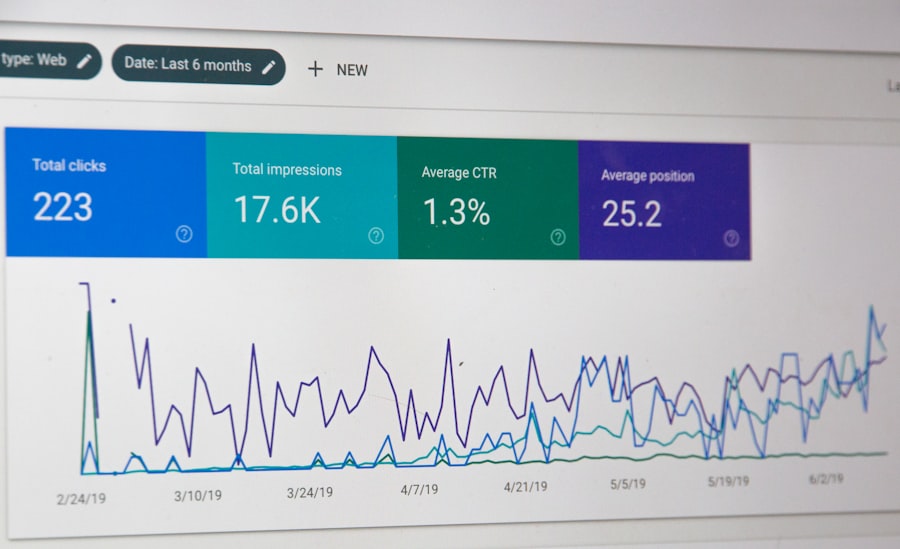
The integration of AI-powered data analytics into decision-making processes can significantly enhance the effectiveness of NGOs. By providing real-time insights and predictive analytics, AI tools enable organizations to make informed choices based on empirical evidence rather than intuition or anecdotal information. This shift towards data-driven decision-making fosters a culture of accountability and transparency within NGOs, as stakeholders can clearly see how decisions are made and the rationale behind them.
Furthermore, AI analytics can facilitate scenario planning by simulating various outcomes based on different variables. For instance, an NGO working on public health initiatives could use AI to model the potential impact of different vaccination strategies on disease spread within a community. By evaluating these scenarios, decision-makers can choose the most effective approach, ultimately leading to better health outcomes for the populations they serve.
This level of strategic foresight is invaluable in an era where resources are often scarce and competition for funding is fierce.
Overcoming Challenges in Implementing AI-Powered Data Analytics for NGOs
Despite the numerous benefits associated with AI-powered data analytics, NGOs may encounter several challenges when implementing these technologies. One significant hurdle is the lack of technical expertise within many organizations. Many NGOs operate with limited budgets and may not have access to skilled data scientists or analysts who can effectively utilize AI tools.
To overcome this challenge, NGOs can consider partnerships with academic institutions or tech companies that specialize in data analytics. Such collaborations can provide access to expertise and resources that would otherwise be unavailable. Another challenge lies in data quality and accessibility.
For AI algorithms to produce accurate insights, they require high-quality data that is both comprehensive and representative of the target population. However, many NGOs struggle with fragmented data sources or outdated information. To address this issue, organizations should invest in robust data collection methods and establish clear protocols for data management.
By prioritizing data integrity and accessibility, NGOs can ensure that their AI-powered analytics yield meaningful results.
Case Studies: Successful Implementation of AI-Powered Data Analytics in NGOs
Several NGOs have successfully implemented AI-powered data analytics to enhance their operations and drive positive change in their communities. One notable example is the World Wildlife Fund (WWF), which utilizes AI algorithms to analyze satellite imagery for monitoring deforestation and wildlife habitats. By processing vast amounts of visual data, WWF can identify areas at risk of environmental degradation and take proactive measures to protect these ecosystems.
This innovative approach not only aids conservation efforts but also informs policy decisions at local and national levels. Another compelling case study is that of the International Federation of Red Cross and Red Crescent Societies (IFRC), which has integrated AI analytics into its disaster response strategies. By analyzing historical disaster data alongside real-time information from social media and other sources, IFRC can predict where disasters are likely to occur and mobilize resources accordingly.
This proactive approach has significantly improved their response times during emergencies, ultimately saving lives and reducing suffering in affected communities.
Ethical Considerations in AI-Powered Data Analytics for NGOs

As NGOs increasingly adopt AI-powered data analytics, ethical considerations must be at the forefront of their implementation strategies. One primary concern is data privacy; organizations must ensure that they handle sensitive information responsibly and transparently. This includes obtaining informed consent from individuals whose data is being collected and ensuring that data is anonymized whenever possible to protect personal identities.
Additionally, there is a risk of algorithmic bias in AI systems, which can lead to unintended consequences if not addressed properly. For instance, if an AI model is trained on biased data, it may perpetuate existing inequalities or misrepresent certain populations. To mitigate this risk, NGOs should prioritize diversity in their data sources and continuously evaluate their algorithms for fairness and accuracy.
Engaging with community stakeholders throughout the process can also help ensure that the insights generated by AI analytics reflect the realities of those being served.
The Future of AI-Powered Data Analytics for NGOs
Looking ahead, the future of AI-powered data analytics for NGOs appears promising as technology continues to evolve. As machine learning algorithms become more sophisticated, NGOs will have access to even more powerful tools for analyzing complex datasets. This advancement will enable organizations to uncover deeper insights into community needs and enhance their ability to respond effectively to emerging challenges.
Moreover, as more NGOs adopt these technologies, there will likely be a growing emphasis on collaboration and knowledge sharing within the sector. Organizations may form networks to share best practices, tools, and resources related to AI-powered analytics. This collaborative approach can foster innovation and drive collective impact across various sectors, ultimately leading to more effective solutions for pressing global issues.
Harnessing the Power of AI-Powered Data Analytics for NGOs
In conclusion, AI-powered data analytics holds immense potential for enhancing the effectiveness of NGOs in addressing societal challenges and driving positive change. By leveraging advanced analytical tools, organizations can gain valuable insights into community needs, improve decision-making processes, and optimize resource allocation. While challenges exist in implementing these technologies, proactive strategies such as partnerships and investments in data quality can help overcome these obstacles.
As we move forward into an increasingly data-driven world, it is essential for NGOs to embrace the opportunities presented by AI-powered analytics while remaining mindful of ethical considerations. By doing so, they can harness the power of technology to create lasting impact in the communities they serve and contribute to a more equitable and sustainable future for all.
In a related article on leveraging AI for NGOs to fight climate change, tools that organizations can start using today are discussed. The article highlights the importance of utilizing AI technology to address environmental challenges and offers practical tips for NGOs to make a positive impact. To learn more about how AI can be harnessed for environmental conservation efforts, check out the article here.
