
The increasing frequency and intensity of wildfires around the globe has necessitated innovative approaches to fire management. Traditional firefighting methods, while effective, often struggle to keep pace with the rapid spread of wildfires exacerbated by climate change and human activity. Enter AI-powered drones, a technological advancement that is revolutionizing the way we detect, monitor, and combat wildfires.
These unmanned aerial vehicles (UAVs) equipped with artificial intelligence capabilities are not only enhancing the efficiency of firefighting operations but also providing critical data that can inform prevention strategies. As we delve into the multifaceted role of AI-powered drones in wildfire fighting, it becomes evident that they are not just tools for immediate response but integral components of a comprehensive wildfire management strategy. The integration of AI into drone technology has opened up new avenues for real-time data collection and analysis.
By leveraging machine learning algorithms, these drones can process vast amounts of information from various sources, including satellite imagery and ground sensors, to identify potential fire outbreaks before they escalate. This proactive approach is crucial in a world where wildfires can spread rapidly, threatening lives, property, and ecosystems. As we explore the various applications of AI-powered drones in wildfire management, we will uncover their potential to transform how we respond to one of nature’s most destructive forces.
The Role of AI in Wildfire Detection and Monitoring
AI plays a pivotal role in enhancing wildfire detection and monitoring capabilities. Traditional methods often rely on human observation or fixed surveillance systems, which can be limited in scope and responsiveness. In contrast, AI algorithms can analyze data from multiple sources, including thermal imaging and infrared sensors mounted on drones, to detect heat signatures indicative of fire activity.
This capability allows for early detection of wildfires, significantly reducing response times and potentially saving vast areas of land from destruction. Moreover, AI systems can continuously monitor environmental conditions such as temperature, humidity, and wind patterns, which are critical factors influencing fire behavior. By integrating this data with historical fire patterns and predictive modeling, AI can forecast potential fire outbreaks with remarkable accuracy.
For instance, researchers at the University of California have developed an AI model that predicts wildfire risk based on real-time weather data and historical fire occurrences. This model not only aids in early detection but also helps allocate resources more effectively by identifying high-risk areas that require increased surveillance.
The Use of Drones in Aerial Firefighting Operations

Drones have emerged as invaluable assets in aerial firefighting operations. Equipped with advanced imaging technology and payload capabilities, these UAVs can deliver water or fire retardants directly to the flames, often reaching areas that are difficult for traditional firefighting aircraft to access. This targeted approach not only enhances the effectiveness of firefighting efforts but also minimizes the risk to human firefighters who may otherwise be exposed to dangerous conditions.
In addition to their firefighting capabilities, drones provide real-time situational awareness to incident commanders on the ground. By capturing high-resolution images and video footage of the fire’s progression, drones enable decision-makers to assess the situation more accurately and make informed choices about resource allocation and evacuation plans. For example, during the 2020 Australian bushfires, drones were deployed to monitor fire fronts and assess damage in real-time, allowing firefighters to adapt their strategies dynamically as conditions changed.
AI-Powered Drones in Wildfire Prevention and Prediction
Beyond detection and firefighting, AI-powered drones are playing a crucial role in wildfire prevention and prediction efforts. By conducting aerial surveys of forested areas, these drones can identify fuel loads—such as dry vegetation—that pose a heightened risk for wildfires. This information is invaluable for land management agencies seeking to implement preventive measures like controlled burns or vegetation thinning.
Furthermore, AI algorithms can analyze historical data on fire occurrences alongside current environmental conditions to predict where wildfires are most likely to ignite. For instance, the National Oceanic and Atmospheric Administration (NOAA) has been utilizing AI-driven models to assess wildfire risks across the United States. By combining satellite imagery with machine learning techniques, NOAA can provide timely warnings to communities at risk, enabling them to take proactive measures before a fire breaks out.
Challenges and Limitations of AI-Powered Drones in Wildfire Fighting
Despite their numerous advantages, the deployment of AI-powered drones in wildfire fighting is not without challenges. One significant limitation is the regulatory landscape surrounding drone usage. Many countries have strict regulations governing airspace and drone operations, which can hinder the rapid deployment of UAVs during emergencies.
Additionally, issues related to privacy and data security must be addressed as drones collect vast amounts of sensitive information during their operations. Another challenge lies in the technological limitations of drones themselves. While advancements have been made in battery life and payload capacity, many drones still face constraints that limit their operational range and duration.
In remote or rugged terrains where wildfires often occur, these limitations can impede effective firefighting efforts. Furthermore, adverse weather conditions such as high winds or heavy rain can render drones ineffective or even dangerous to operate.
Case Studies of AI-Powered Drones in Wildfire Fighting
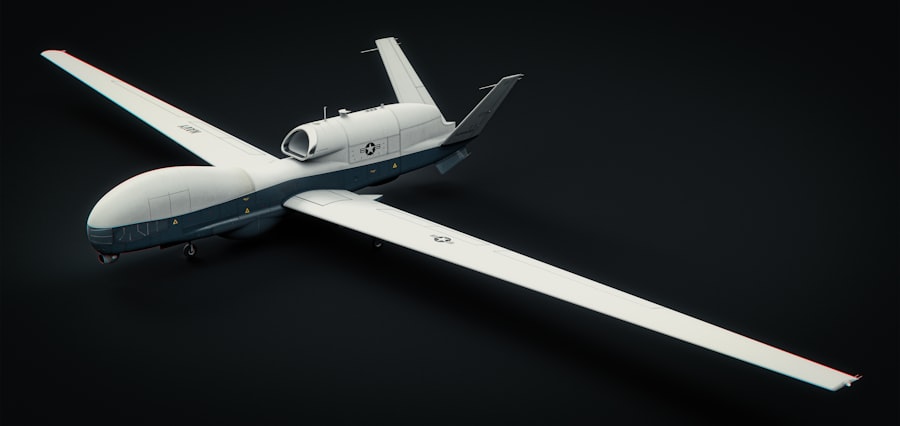
Several case studies illustrate the successful application of AI-powered drones in wildfire fighting across different regions. In California, for instance, the state’s Department of Forestry and Fire Protection (CAL FIRE) has integrated drone technology into its wildfire response strategy. During the 2021 wildfire season, CAL FIRE deployed drones equipped with thermal imaging cameras to detect hotspots within active fire zones.
This initiative allowed firefighters to focus their efforts on areas with the highest risk of flare-ups, ultimately improving containment rates. Another notable example comes from Portugal, where researchers have developed an AI-driven drone system capable of autonomously navigating through forested areas to detect wildfires. This system utilizes machine learning algorithms to analyze environmental data and identify potential fire risks.
During a pilot project in 2022, the drone successfully detected several small fires before they could spread, demonstrating its potential as an early warning system for wildfire management.
Future Developments and Innovations in AI-Powered Drones for Wildfire Fighting
The future of AI-powered drones in wildfire fighting looks promising as technology continues to evolve. Innovations such as improved battery technology will enhance flight duration and operational range, allowing drones to cover larger areas without needing frequent recharging. Additionally, advancements in AI algorithms will enable more sophisticated data analysis and predictive modeling capabilities, further enhancing early detection and response efforts.
Collaboration between technology companies and firefighting agencies is also expected to drive innovation in this field. For instance, partnerships between drone manufacturers and environmental organizations could lead to the development of specialized drones designed specifically for wildfire management. These drones could be equipped with advanced sensors capable of detecting not only heat but also chemical signatures associated with wildfires.
The Impact of AI-Powered Drones on Global Wildfire Management
In conclusion, AI-powered drones represent a transformative force in global wildfire management. Their ability to detect fires early, monitor conditions in real-time, and support firefighting operations enhances our capacity to respond effectively to one of nature’s most destructive phenomena. As we face an era marked by increasing wildfire risks due to climate change, the integration of advanced technologies like AI-powered drones will be essential for safeguarding communities and ecosystems alike.
The ongoing development and deployment of these innovative tools will undoubtedly shape the future landscape of wildfire management. By harnessing the power of artificial intelligence and drone technology, we can improve our preparedness for wildfires while minimizing their devastating impacts on society and the environment. As we continue to explore new frontiers in this field, it is imperative that we prioritize collaboration among stakeholders—governments, NGOs, researchers, and technology developers—to ensure that these advancements are effectively utilized for the greater good.
AI-powered drones are not only being used to fight wildfires globally but also to transform humanitarian work for NGOs. In the article “AI for Good: How NGOs are Transforming Humanitarian Work with Technology”, the impact of AI on NGOs is explored, showcasing how technology is helping organizations make smarter decisions and take more effective actions in their efforts to aid communities in need. This demonstrates the wide-ranging applications of AI in various fields, including disaster response and humanitarian work.
