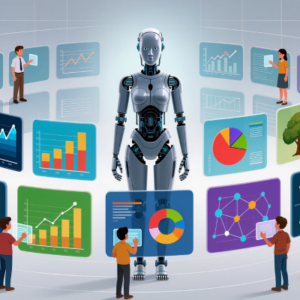
Your nonprofit sits on a reservoir of data – donor histories, volunteer preferences, program outcomes, communication logs. This data isn’t just numbers; it represents relationships, impact, and future potential. However, without the right tools, this reservoir can remain largely untapped. This is where Artificial Intelligence (AI) integrated into Customer Relationship Management (CRM) systems becomes a powerful ally for NGOs.
Many NGOs already use CRMs to manage donor information and track interactions. But what happens when you add the intelligence of AI to this foundational system? Think of it like equipping your traditional CRM with a highly skilled, lightning-fast data analyst and predictive thinker. AI-powered CRMs can sift through vast quantities of data, identify patterns, make predictions, and automate tasks in ways that would be impossible for human teams alone. This article will guide you through the essential features to look for in AI CRMs, helping your organization harness this technology ethically and effectively for greater social impact.
Before diving into specific features, it’s crucial to grasp what we mean by AI within the context of an NGO CRM. AI isn’t a single technology but a broad field encompassing various techniques that enable computers to simulate human intelligence. When integrated into a CRM, AI primarily manifests in two ways:
Machine Learning for Pattern Recognition
This is the core of predictive AI. Machine learning algorithms analyze historical data to identify trends, correlations, and anomalies. For an NGO, this could mean predicting donor churn, identifying prospective major donors, or personalizing communication strategies based on past engagement.
Natural Language Processing (NLP) for Text Understanding
Many CRM interactions involve text – emails, social media messages, survey responses, and donor notes. NLP allows AI to understand, interpret, and even generate human language. This capability can automate response drafting, summarize feedback, or analyze sentiment from donor communications.
An AI CRM for NGOs is not about replacing human staff but augmenting their capabilities, freeing up valuable time from repetitive tasks, and providing data-driven insights that inform strategic decisions. It’s about working smarter, not just harder, to achieve your mission.
When considering the implementation of AI-driven Customer Relationship Management (CRM) systems for non-governmental organizations (NGOs), it’s essential to understand the key features that can enhance operational efficiency and engagement. A related article that delves deeper into this topic is available at AI CRMs for NGOs: Features to Look For. This resource outlines the critical functionalities that NGOs should prioritize when selecting an AI CRM, ensuring they can effectively manage relationships and streamline their processes.
Essential Features of AI CRMs for NGOs
When evaluating AI CRM solutions, focus on features that directly address your organization’s unique challenges and opportunities. These tools should enhance your ability to build stronger relationships, optimize fundraising, and demonstrate impact more effectively.
Predictive Analytics for Fundraising and Engagement
Predictive analytics is arguably the most transformative AI feature for an NGO CRM. It uses historical data to forecast future outcomes, allowing your team to proactively address potential challenges and seize opportunities.
Donor Churn Prediction
- What it does: Identifies donors who are at high risk of lapsing based on their giving history, engagement patterns, and other demographic data.
- NGO benefit: Allows your fundraising team to intervene with targeted re-engagement campaigns before a donor stops giving, significantly improving retention rates. Imagine being alerted that a loyal monthly donor who hasn’t opened an email in three months might be disengaging – this gives you a chance to reach out personally.
Major Donor Prospecting
- What it does: Analyzes your existing donor base and external data (e.g., wealth screening, philanthropic interests) to identify individuals with the highest propensity and capacity to become major donors.
- NGO benefit: Focuses your development team’s efforts on the most promising prospects, saving resources and increasing the likelihood of securing significant contributions. It’s like having a compass that points directly to the largest pools of potential support.
Campaign Performance Forecasting
- What it does: Predicts the likely success of a fundraising appeal or campaign based on past campaign data, target audience demographics, and communication channels.
- NGO benefit: Enables data-driven adjustments to campaigns in real-time or during planning stages, optimizing resource allocation and maximizing return on investment.
Automated Personalization and Communication
AI can elevate your donor communications from generic blasts to highly personalized interactions, making each supporter feel valued and understood. This is crucial for building lasting relationships.
Smart Segmentation
- What it does: Automatically groups donors into dynamic segments based on behavior, interests, demographics, and engagement levels. For instance, donors who prefer event participation vs. direct financial contributions.
- NGO benefit: Allows for highly targeted messaging. Instead of one message for all, you can send tailored appeals to specific groups, increasing relevance and response rates.
AI-Powered Content Generation and Suggestion
- What it does: Generates personalized email subject lines, call-to-action suggestions, or even draft initial versions of appeal letters based on donor segments and campaign goals.
- NGO benefit: Saves significant time for communications staff and ensures messages resonate more effectively with individual recipients, leading to higher open rates and conversions.
Chatbots and Virtual Assistants
- What it does: Provides automated responses to frequently asked questions on your website or social media, handles basic inquiries, or directs users to the right resources.
- NGO benefit: Improves donor and beneficiary support by offering immediate assistance 24/7, reducing the burden on staff and enhancing user experience. This is especially valuable for NGOs operating across different time zones.
Advanced Data Management and Integration
An AI CRM is only as good as the data it processes. Look for features that ensure your data is clean, comprehensive, and interconnected.
Data Cleansing and Deduplication
- What it does: Automatically identifies and merges duplicate records, corrects errors, and standardizes data formats across your CRM.
- NGO benefit: Ensures data accuracy, preventing communication mishaps (e.g., sending two identical emails to the same person) and providing a reliable foundation for all your AI insights. Clean data is the fuel for effective AI.
Unified Donor Profiles
- What it does: Gathers all donor interactions – donations, event registrations, volunteer hours, email opens, website visits, social media engagement – into a single, comprehensive profile.
- NGO benefit: Provides a holistic view of each donor, enabling better understanding of their journey, preferences, and potential for deeper engagement. This helps you treat each donor as an individual, not just a transaction.
Integration Capabilities
- What it does: Seamlessly connects your CRM with other essential NGO tools, such as accounting software, marketing automation platforms, grant management systems, and fundraising platforms.
- NGO benefit: Creates a cohesive ecosystem where data flows freely, eliminating manual data entry, reducing errors, and ensuring all departments work with the most up-to-date information.
Impact and Program Management Insights
Beyond fundraising, AI in a CRM can provide valuable insights into your program effectiveness and help you demonstrate your impact to stakeholders.
Outcome Tracking and Anomaly Detection
- What it does: Analyzes program data to identify trends in beneficiary outcomes, flag deviations from expected results, or highlight areas where interventions are particularly effective or faltering.
- NGO benefit: Provides M&E (Monitoring and Evaluation) teams with real-time insights, allowing for adaptive management and quicker responses to program challenges. Imagine AI alerting you that a certain program site is consistently underperforming compared to others, allowing you to investigate and adjust.
Grant Reporting Assistance
- What it does: Can help aggregate relevant data points from across your CRM and other integrated systems to streamline the grant reporting process. While not generating the full report, it can compile the necessary metrics.
- NGO benefit: Reduces the administrative burden of grant reporting, ensuring accuracy and allowing staff to dedicate more time to program delivery.
Ethical Considerations and Best Practices
While the power of AI CRMs is immense, it comes with significant ethical responsibilities, especially for NGOs that deal with sensitive donor and beneficiary data.
Data Privacy and Security
- Transparency: Be upfront with your donors and beneficiaries about how their data is being collected, stored, and used, especially when AI is involved.
- Consent: Obtain clear and informed consent for data collection and processing, particularly for any sensitive personal information.
- Robust Security: Ensure the AI CRM vendor adheres to the highest data security standards (e.g., encryption, access controls, regular audits) to protect against breaches. This is paramount for maintaining trust.
Bias and Fairness
- Algorithm Auditing: Be aware that AI algorithms can inadvertently perpetuate or amplify existing biases present in the training data. For example, if your past outreach exclusively targeted certain demographics, AI might suggest continuing this pattern, overlooking other potential supporters.
- Diverse Data: Strive to use diverse and representative datasets to train your AI models to minimize bias in predictions and recommendations.
- Human Oversight: Always maintain human oversight of AI-generated insights and decisions. AI should augment, not replace, human judgment. It’s a powerful calculator, not an infallible oracle.
Explainability and Accountability
- “Black Box” Problem: Some advanced AI models are opaque; it can be difficult to understand why they arrived at a particular prediction (the “black box” problem).
- Demand Explainability: Where possible, choose AI CRM solutions that offer some level of explainability for their predictions, allowing your team to understand the rationale and build trust in the system.
- Clear Policies: Establish clear internal policies for how AI insights are used and who is accountable for decisions made based on those insights.
Conclusion
An AI-powered CRM is not merely an upgrade; it’s a strategic shift for NGOs. By embracing these intelligent tools, you can transform how you engage with your supporters, optimize your fundraising efforts, demonstrate your impact more effectively, and ultimately amplify your mission. As you navigate the landscape of AI tools for NGOs, remember to prioritize solutions that align with your organizational ethics, provide tangible benefits, and offer clear pathways to ethical AI adoption. At NGOs.AI, we advocate for thoughtful and responsible integration of AI, empowering your organization to build stronger communities and create lasting change. Choose wisely, and let AI be the wind in your sails, propelling your noble cause forward.
FAQs
What is an AI CRM and how can it benefit NGOs?
An AI CRM (Customer Relationship Management) system uses artificial intelligence to automate and enhance the management of relationships with donors, volunteers, and beneficiaries. For NGOs, AI CRMs can improve donor engagement, streamline communication, personalize outreach, and provide data-driven insights to optimize fundraising and program management.
What key features should NGOs look for in an AI CRM?
NGOs should look for features such as donor management, automated communication tools, data analytics and reporting, integration with fundraising platforms, volunteer management, and AI-driven personalization. Additionally, ease of use, scalability, and data security are important considerations.
How does AI improve donor engagement in CRM systems?
AI enhances donor engagement by analyzing donor behavior and preferences to tailor communication and fundraising campaigns. It can automate personalized emails, predict donor giving patterns, identify high-potential donors, and optimize outreach timing, leading to stronger relationships and increased donations.
Are AI CRMs suitable for small NGOs with limited budgets?
Yes, many AI CRM solutions offer scalable pricing plans suitable for small NGOs. Some platforms provide free or low-cost tiers with essential features, allowing smaller organizations to benefit from AI capabilities without significant financial investment. It is important to evaluate the cost-benefit ratio and choose a solution that fits the NGO’s size and needs.
How important is data security in AI CRMs for NGOs?
Data security is critical in AI CRMs as NGOs handle sensitive information about donors, beneficiaries, and volunteers. A secure CRM should comply with data protection regulations, offer encryption, access controls, and regular security updates to protect against data breaches and ensure the privacy and trust of stakeholders.