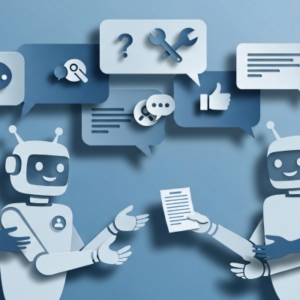
AI is no longer a futuristic concept; it’s a present-day reality rapidly transforming how organizations operate. For nonprofits, this evolution presents unique opportunities and challenges. As we approach the end of the year, it’s a crucial time to reflect on the current landscape of AI in the NGO sector, understand its practical applications, and navigate the ethical considerations that accompany its adoption. This review aims to provide a clear, grounded perspective on AI for NGOs, empowering you to make informed decisions for your organization.
Artificial Intelligence (AI) can seem like a complex, high-tech term, but at its core, it refers to systems designed to perform tasks that typically require human intelligence. For nonprofits, this means leveraging smart technologies to enhance efficiency, amplify impact, and better serve your communities. Think of AI not as a magic wand, but as a sophisticated toolkit. Just as a carpenter uses different tools for different jobs – a hammer for nails, a saw for wood – NGOs can select and deploy specific AI tools for distinct programmatic, fundraising, or operational needs.
Decoding AI Terminology for Nonprofit Professionals
Before diving into specific applications, it’s helpful to demystify some common AI terms you might encounter.
Machine Learning: The Engine of AI Development
One of the most prevalent forms of AI is Machine Learning (ML). ML algorithms learn from data without being explicitly programmed for every possible scenario. Imagine teaching a child to recognize different types of birds. You show them many pictures of robins, sparrows, and pigeons, pointing out their features. Over time, the child learns to identify these birds independently. Similarly, ML models are trained on vast datasets to identify patterns and make predictions. For NGOs, this could mean training a model to predict which donors are most likely to contribute to a campaign or to identify critical needs in a community based on historical data.
Natural Language Processing (NLP): Understanding Human Language
Natural Language Processing (NLP) enables computers to understand, interpret, and generate human language. This is what allows chatbots to engage in conversations, sentiment analysis tools to gauge public opinion from social media, or translation software to bridge communication gaps. For NGOs, NLP can automate customer service inquiries, analyze feedback from beneficiaries, or even help draft reports.
Generative AI: Creating New Content
A more recent and rapidly evolving area is Generative AI, which focuses on creating new content, be it text, images, code, or even music. Large Language Models (LLMs), a subset of generative AI, are particularly noteworthy. These models can generate human-like text, summarize long documents, brainstorm ideas, and assist with content creation. For example, a communications team could use generative AI to draft initial versions of blog posts, social media updates, or grant proposal sections.
In addition to “The State of AI in NGOs: Year-End Review,” another insightful article that explores the transformative impact of technology in humanitarian efforts is available at this link: AI for Good: How NGOs are Transforming Humanitarian Work with Technology. This article delves into various case studies and examples of how NGOs are leveraging artificial intelligence to enhance their operations and improve outcomes for the communities they serve.
Practical AI Use Cases for NGOs
AI is not just for large corporations or tech giants. Small and medium-sized NGOs worldwide are finding tangible ways to integrate AI into their operations, improving everything from fundraising to program delivery.
Enhancing Fundraising and Donor Engagement
The success of many nonprofits hinges on their ability to secure funding. AI offers powerful tools to optimize fundraising efforts.
Predictive Analytics for Donor Identification
By analyzing historical donor data – donation amounts, frequency, engagement with past campaigns – ML algorithms can predict which individuals are most likely to respond to future solicitations. This allows fundraising teams to focus their limited resources on the most promising leads, increasing the efficiency and effectiveness of their outreach. It’s akin to a farmer strategically irrigating the most fertile parts of their field to yield a better harvest.
Personalized Communication and Outreach
AI can help tailor fundraising messages to individual donor preferences and past behaviors. Instead of a one-size-fits-all appeal, AI can segment donor lists and generate personalized appeals, increasing relevance and resonance. This could involve suggesting donation amounts based on past giving or highlighting specific projects that align with a donor’s stated interests.
Grant Writing Assistance
While not replacing the critical human element of grant writing, AI tools can assist with various stages. Generative AI can help brainstorm proposal ideas, draft preliminary sections, summarize research, and even check for grammatical errors and improve clarity. This frees up valuable staff time, allowing them to focus on the strategic vision and relationship-building crucial for successful grant applications.
Streamlining Program Delivery and Impact Measurement
The core mission of any NGO is its programmatic work. AI can enhance both the delivery of services and the ability to measure their effectiveness.
Data Analysis for Needs Assessment
AI can process vast amounts of data from various sources, such as surveys, social media, satellite imagery, and administrative records, to identify emerging needs and target interventions more precisely. For example, in areas prone to natural disasters, AI can analyze weather patterns and community vulnerability data to predict areas at highest risk and proactively deploy resources.
Optimizing Resource Allocation
For organizations operating with limited budgets and staff, AI can help optimize the allocation of resources. This could involve optimizing delivery routes for aid, scheduling volunteers more effectively based on predicted demand, or identifying the most impactful interventions based on program data.
Monitoring and Evaluation (M&E) Enhancements
Measuring the impact of programs is vital for accountability and improvement. AI can automate aspects of M&E, such as analyzing program data for trends, identifying anomalies, or even processing qualitative feedback from beneficiaries at scale using NLP. This can lead to quicker insights and more agile program adjustments. For instance, an organization working on education could use AI to analyze student performance data and identify common learning barriers across different regions.
Chatbots for Beneficiary Support and Information Dissemination
Deploying AI-powered chatbots can provide instant, accessible support to beneficiaries. These bots can answer frequently asked questions about services, provide information on health or financial literacy, or even direct individuals to the appropriate human support channels. This is particularly valuable in remote areas or for organizations facing high inquiry volumes, ensuring that critical information reaches those who need it most, around the clock.
Improving Communications and Advocacy Efforts
Effective communication is fundamental to raising awareness, building support, and driving policy change.
Content Creation and Optimization
Generative AI can assist in drafting press releases, social media posts, website content, and newsletters. It can also help in optimizing this content for different platforms and audiences. For example, AI can suggest keywords to improve search engine visibility for advocacy webpages or tailor messaging for different social media demographics.
Sentiment Analysis for Public Opinion Monitoring
Understanding how the public perceives an organization or an issue is crucial for advocacy. AI-powered sentiment analysis tools can monitor social media, news articles, and online forums to gauge public opinion, identify key themes in conversations, and detect emerging narratives. This can inform communication strategies and advocacy approaches.
Language Translation
For global NGOs, breaking down language barriers is essential. AI-powered translation tools are becoming increasingly sophisticated, enabling more effective communication with diverse communities and stakeholders across different linguistic regions.
Navigating the Ethical Landscape of AI in NGOs
The power of AI comes with significant ethical responsibilities. For NGOs, ensuring that AI is used responsibly, equitably, and in alignment with their core values is paramount.
Bias in AI and its Implications
One of the most significant ethical challenges is the potential for bias in AI systems. AI models learn from data, and if that data reflects historical societal biases (e.g., racial, gender, socioeconomic), the AI will perpetuate and potentially amplify those biases.
Data Sourcing and Representation
If the data used to train an AI model is not representative of the populations served by the NGO, the AI’s outputs can be skewed. For instance, a facial recognition system trained primarily on one demographic might perform poorly or even misidentify individuals from other groups. This can lead to discriminatory outcomes in program implementation or beneficiary identification.
Algorithmic Discrimination
Biased AI can lead to discriminatory decision-making. An AI tool used for allocating resources might inadvertently favor certain communities over others due to embedded biases in its training data. This is a grave concern for NGOs committed to equity and social justice.
Data Privacy and Security Concerns
Nonprofits often handle sensitive data about their beneficiaries, donors, and staff. The use of AI, which often requires large datasets, raises critical questions about data privacy and security.
Protecting Sensitive Beneficiary Information
Ensuring that any data used by AI systems is anonymized and securely stored is vital. Breaches of sensitive beneficiary data can have devastating consequences, undermining trust and endangering individuals.
Transparency in Data Usage
Organizations must be transparent with stakeholders about how their data is being collected, used, and protected by AI systems. This builds trust and respects individuals’ rights.
Accountability and Human Oversight
As AI systems become more autonomous, it’s crucial to maintain clear lines of accountability.
The Role of Human Judgment
AI should be viewed as a tool to augment human decision-making, not replace it entirely. Human oversight is essential to review AI outputs, identify potential errors or biases, and make final decisions, especially in high-stakes situations.
Understanding AI Limitations
It’s vital for NGO staff to understand that AI systems are not infallible. They can make mistakes, and their capabilities have limits. Over-reliance on AI without proper understanding can lead to significant errors.
Equitable Access and Digital Divide
Ensuring that the benefits of AI are accessible to all NGOs, regardless of size or location, is a crucial consideration.
Bridging the Digital Divide
Many NGOs in the Global South may have limited access to the technology, infrastructure, and expertise required to adopt advanced AI tools. Efforts must be made to ensure that AI solutions are developed and deployed in a way that bridges, rather than widens, the digital divide.
Cost and Scalability of AI Solutions
Sophisticated AI tools can be expensive. NGOs need access to affordable, scalable, and user-friendly AI solutions that are appropriate for their resource capacities.
Best Practices for AI Adoption in NGOs
Successfully integrating AI into your nonprofit requires a thoughtful and strategic approach. Here are some best practices to guide your adoption journey.
Start with a Clear Problem and a Specific Goal
Before exploring AI tools, identify a concrete problem your organization faces or a specific goal you want to achieve. Do you want to improve donor retention by 10%? Reduce response times to beneficiary inquiries by 20%? Having a clear objective will help you select the most appropriate AI solutions. Avoid adopting AI for the sake of it; ensure it serves a clear purpose.
Prioritize Data Quality and Governance
AI systems are only as good as the data they are trained on. Invest time and resources in cleaning, organizing, and ensuring the accuracy of your data. Establish clear data governance policies that address data collection, storage, usage, and privacy. This is the bedrock upon which any successful AI implementation will be built.
Invest in Training and Capacity Building
Don’t expect your staff to intuitively understand and use AI tools. Invest in training programs that equip your team with the necessary skills to operate, interpret, and critically evaluate AI systems. This includes fostering a culture of continuous learning and adaptation.
Pilot Projects and Iterative Development
Begin with small, manageable pilot projects to test AI solutions before a full-scale rollout. This allows you to identify and address potential issues, gather feedback, and refine your approach iteratively. Learning from these pilots is crucial for long-term success.
Foster Collaboration and Share Knowledge
The field of AI is rapidly evolving. Engage with other NGOs, technology providers, and AI experts to share knowledge, best practices, and lessons learned. Collaborative efforts can lead to the development of more robust and contextually relevant AI solutions for the nonprofit sector.
Maintain Human Oversight and Ethical Review
Always ensure that human oversight is a critical component of any AI deployment. Establish ethical review processes to assess the potential impact of AI on beneficiaries, staff, and stakeholders, ensuring alignment with your organization’s mission and values. Create a feedback loop where humans can correct or override AI decisions.
In exploring the transformative impact of technology on non-governmental organizations, a related article highlights how artificial intelligence is breaking language barriers and empowering global NGOs. This insightful piece delves into the various ways AI tools facilitate communication and collaboration across diverse linguistic backgrounds, ultimately enhancing the effectiveness of humanitarian efforts. For more information on this topic, you can read the article on breaking language barriers through AI.
Frequently Asked Questions About AI for NGOs
Here are answers to some common questions that arise when discussing AI adoption in the nonprofit sector.
Is AI too expensive for small NGOs?
While some advanced AI solutions can be costly, many AI tools are becoming more accessible and affordable. Open-source AI platforms, cloud-based AI services with tiered pricing, and specialized AI tools designed for specific nonprofit functions can offer cost-effective solutions. Furthermore, focusing on AI applications that directly improve efficiency can lead to cost savings in the long run. Prioritizing specific use cases that offer a clear return on investment for your budget is key.
Do I need a team of data scientists to use AI?
Not necessarily. Many AI tools are designed to be user-friendly with intuitive interfaces, requiring minimal technical expertise to operate. While having data scientists or technical advisors can be beneficial, many NGOs can successfully leverage AI by focusing on off-the-shelf solutions and investing in basic training for their existing staff. The key is to match the complexity of the AI tool to the organization’s capacity.
How can I ensure AI isn’t perpetuating bias in my organization?
This requires a proactive and ongoing effort. First, scrutinize the data used to train any AI model for representational fairness. Second, regularly audit the outputs of AI systems to identify any patterns of discriminatory outcomes. Implement clear protocols for human review and intervention, especially in decision-making processes related to beneficiaries. Engage with diverse stakeholders to gather feedback on the AI’s impact.
What are the most essential first steps for an NGO to explore AI?
The most crucial first steps are to clearly define a specific, measurable problem or goal, and to assess your organization’s current data readiness. Start by identifying a low-risk, high-impact area where AI could offer tangible benefits, such as improving donor segmentation or automating repetitive administrative tasks. Then, begin exploring readily available and affordable AI tools that address that specific need.
How does AI align with the humanitarian principles of NGOs?
AI should be a tool to support and enhance humanitarian principles, not undermine them. For example, AI can help optimize the distribution of aid to ensure equitable access, or it can analyze data to identify vulnerable populations more effectively. However, it is paramount that AI implementation is guided by ethical frameworks and human oversight to uphold principles of humanity, neutrality, impartiality, and independence.
Key Takeaways: The Future of AI in NGOs
As we look back on the year and forward to the next, the role of AI in the nonprofit sector is clearly evolving from a theoretical possibility to a practical necessity. AI offers NGOs powerful opportunities to amplify their impact, engage supporters more effectively, and operate with greater efficiency. However, this evolution is not without its complexities.
The successful integration of AI hinges on a clear understanding of its capabilities, a strategic approach to adoption, and a steadfast commitment to ethical deployment. By focusing on practical use cases, prioritizing data quality and governance, investing in staff development, and always maintaining human oversight, NGOs can harness the transformative potential of AI.
The journey with AI is ongoing, requiring continuous learning and adaptation. By staying informed, engaging thoughtfully with these technologies, and always grounding their use in their core mission and values, NGOs can ensure that AI becomes a powerful force for good in the world. The key is to approach AI not as a replacement for human compassion and expertise, but as a sophisticated partner in advancing social impact.
FAQs
What is the current role of AI in NGOs?
AI is increasingly being used by NGOs to improve operational efficiency, enhance data analysis, support fundraising efforts, and optimize program delivery. It helps organizations better understand beneficiary needs, predict trends, and allocate resources more effectively.
How are NGOs benefiting from AI technologies?
NGOs benefit from AI through improved decision-making, automation of routine tasks, enhanced communication with stakeholders, and more accurate impact measurement. AI tools enable NGOs to scale their efforts and respond more quickly to emerging challenges.
What are some common challenges NGOs face when implementing AI?
Challenges include limited technical expertise, budget constraints, data privacy concerns, and the need for ethical guidelines. Many NGOs also struggle with integrating AI into existing workflows and ensuring that AI solutions are accessible and inclusive.
Which AI applications are most popular among NGOs?
Popular AI applications in NGOs include predictive analytics for program planning, natural language processing for monitoring and evaluation, chatbots for beneficiary engagement, and image recognition for environmental and humanitarian monitoring.
What trends are expected in the use of AI by NGOs in the near future?
Future trends include increased collaboration between NGOs and tech companies, greater emphasis on ethical AI use, expansion of AI-driven impact measurement tools, and wider adoption of AI to address global challenges such as climate change, health crises, and social inequality.