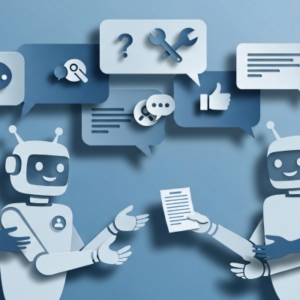
Artificial intelligence (AI) is no longer a futuristic concept; it’s a rapidly evolving set of tools that can significantly amplify the impact of nonprofit organizations. For those working at the heart of social change, understanding and preparing for AI adoption is becoming a strategic imperative. As you look towards next year, integrating AI effectively means more than just dabbling in new software; it’s about building a thoughtful, ethical, and sustainable approach to leverage these powerful capabilities for your mission. This guide will walk you through the essential steps for developing a robust AI strategy for your nonprofit.
Before diving into strategy, it’s essential to demystify AI. At its core, artificial intelligence refers to computer systems designed to perform tasks that typically require human intelligence, such as learning, problem-solving, decision-making, and understanding language. Think of it not as a magical black box, but as an intelligent assistant, capable of processing vast amounts of information and identifying patterns far faster and more comprehensively than any human team could.
Breaking Down AI Concepts
- Machine Learning (ML): This is a subset of AI where systems learn from data without being explicitly programmed. Imagine teaching a child to recognize different animals by showing them many pictures; ML algorithms do something similar with data. They can identify trends, make predictions, and improve their performance over time as they are exposed to more information.
- Natural Language Processing (NLP): This branch of AI enables computers to understand, interpret, and generate human language. This is what powers tools that can summarize long documents, translate languages, or even respond to supporter queries in a conversational manner.
- Generative AI: This refers to AI models that can create new content, such as text, images, music, or even code. ChatGPT is a well-known example of generative AI for text.
AI as an Amplifier, Not a Replacement
It’s important to frame AI as a tool to augment your existing capabilities, not a replacement for human expertise and compassion. AI can handle certain repetitive tasks, analyze complex data, and identify new opportunities, freeing up your staff and volunteers to focus on what they do best: building relationships, strategizing, and directly serving your beneficiaries. Consider AI as a powerful microscope that allows you to see subtle details in your work, or a tireless analyst that can sift through mountains of information to find the crucial insights.
In addition to exploring how NGOs can prepare their AI strategy for the upcoming year, it is also valuable to consider the broader implications of AI in the nonprofit sector. A related article titled “Breaking Language Barriers: How AI is Empowering Global NGOs” delves into the transformative role that artificial intelligence plays in enhancing communication and collaboration among NGOs worldwide. This resource highlights practical applications of AI that can help organizations overcome language barriers, ultimately fostering greater inclusivity and effectiveness in their missions. For more insights, you can read the article here: Breaking Language Barriers: How AI is Empowering Global NGOs.
Identifying Your NGO’s AI Opportunities
The first strategic step is to look inward and identify where AI can genuinely make a difference in your organization’s operations and impact. This requires a deep understanding of your current challenges, workflows, and desired outcomes. A good starting point is to brainstorm across different departments.
Enhancing Program Delivery and Impact Measurement
Many nonprofits struggle with efficiently tracking program outcomes, understanding beneficiary needs in real-time, and demonstrating impact to stakeholders. AI can offer powerful solutions.
- Data Analysis for Impact: Imagine analyzing feedback from thousands of beneficiaries to identify systemic issues or preferences that might be missed in traditional surveys. AI can process qualitative and quantitative data from various sources, offering a more holistic view of program effectiveness. For example, an organization working on food security might use AI to analyze food distribution data alongside weather patterns and market prices to predict potential shortages and optimize resource allocation.
- Beneficiary Identification and Outreach: AI can help identify individuals or communities most in need of your services by analyzing demographic data, social indicators, and past engagement patterns. This allows for more targeted and effective outreach, ensuring resources reach those who will benefit most.
- Personalized Support: For programs involving education, healthcare, or counseling, AI can assist in creating personalized learning paths or recommending relevant resources based on individual needs and progress.
Streamlining Fundraising and Donor Engagement
Fundraising is the lifeblood of most nonprofits, and AI can significantly enhance your efforts.
- Donor Segmentation and Personalization: AI can analyze donor data to identify patterns in giving behavior, preferences, and engagement levels. This allows for more personalized communication and tailored fundraising appeals, increasing the likelihood of a positive response. Instead of a one-size-fits-all approach, you can speak to each donor in a way that resonates with them.
- Predictive Analytics for Giving: AI can predict which donors are most likely to give, upgrade their donations, or respond to specific campaigns. This helps fundraisers focus their efforts on the most promising opportunities, optimizing their time and resources.
- Grant Research and Writing Assistance: AI-powered tools can help identify potential grant opportunities that align with your mission and automate parts of the grant writing process by summarizing research, generating draft sections, or checking for compliance.
- Analyzing Constituent Sentiment: By analyzing comments, social media mentions, and survey responses, AI can gauge the sentiment of your supporters and beneficiaries, providing valuable insights for communications and campaign strategies.
Optimizing Communications and Outreach
Effective communication is crucial for advocacy, awareness-raising, and engagement. AI can help you reach a wider audience more effectively.
- Content Creation and Optimization: Generative AI can assist in drafting initial versions of blog posts, social media updates, email newsletters, or press releases. It can also help optimize content for search engines and identify the most engaging topics for your audience.
- Language Translation and Localization: For global nonprofits, AI-powered translation tools can break down language barriers, making your content accessible to a broader audience and fostering cross-cultural understanding.
- Chatbots for Supporter Experience: AI-powered chatbots can provide instant answers to frequently asked questions on your website, freeing up staff time and improving the supporter experience. They can guide visitors to relevant information or direct them to the right human contact when needed.
Improving Operational Efficiency
Beyond program delivery and fundraising, AI can streamline internal operations.
- Automating Administrative Tasks: Repetitive tasks like data entry, scheduling, and report generation can be automated using AI tools, reducing administrative burden and minimizing errors.
- Document Analysis and Management: AI can help organize, categorize, and search large volumes of documents, making information more accessible and retrieval faster.
Benefits of AI Adoption for NGOs
Embracing AI strategically can unlock several significant advantages for your nonprofit, allowing you to maximize your impact and sustainability.
Amplified Reach and Impact
By automating tasks and providing deeper insights, AI allows your organization to do more with the same resources, extending your reach and the depth of your impact. Imagine being able to serve twice as many people with the same team, or to gather insights that lead to more effective interventions.
Increased Efficiency and Resource Optimization
AI tools can handle time-consuming, repetitive tasks, freeing up your staff and volunteers to focus on higher-value activities that require human empathy and strategic thinking. This leads to a more efficient use of precious resources, whether financial or human.
Enhanced Decision-Making
AI’s ability to process and analyze vast datasets can uncover insights and trends that might otherwise go unnoticed. This leads to more informed, data-driven decisions, from program design to fundraising strategies. It’s like having a wise advisor who has read every relevant report and can offer evidence-based recommendations.
Improved Supporter Engagement and Retention
By enabling personalized communication and a better understanding of donor needs and preferences, AI can foster stronger relationships with your supporters, leading to increased loyalty and continued engagement.
Greater Adaptability and Innovation
As the world changes rapidly, AI can help your organization stay agile and responsive. By identifying emerging trends and needs, AI can inform adaptive strategies and foster a culture of innovation within your team.
Navigating the Ethical Landscape and Potential Risks
While the benefits of AI are compelling, it’s crucial to approach its adoption with a strong ethical compass. Ignoring the potential risks can lead to unintended consequences that undermine trust and harm your mission.
Data Privacy and Security
AI systems rely heavily on data. Nonprofits often handle sensitive information about beneficiaries, donors, and staff. Protecting this data from breaches and ensuring it is used responsibly is paramount.
- Understanding Data Flows: Map out what data is being collected, how it’s being stored, and who has access.
- Anonymization and Pseudonymization: Employ techniques to protect individual identities where possible.
- Compliance with Regulations: Stay informed about data protection laws in your region (e.g., GDPR, CCPA) and ensure your AI practices comply.
Bias in AI and its Ramifications
AI algorithms learn from the data they are fed. If that data contains historical biases (related to race, gender, socioeconomic status, etc.), the AI can perpetuate and even amplify these biases, leading to unfair or discriminatory outcomes.
- Auditing Data: Regularly audit your datasets for potential biases.
- Diverse Development Teams: Consider the perspectives of diverse individuals in the development and implementation of AI solutions.
- Monitoring AI Outputs: Continuously monitor the outputs of AI systems for any signs of bias or unfairness. For example, an AI tool designed to identify at-risk youth must not disproportionately flag certain demographic groups due to biased historical data.
Transparency and Explainability
It’s important to understand why an AI system makes a particular recommendation or decision. This is especially critical when dealing with sensitive areas like aid distribution or fraud detection.
- Choosing Explainable AI (XAI) Tools: Where possible, opt for AI tools that offer explanations for their outputs.
- Human Oversight: Ensure that AI-driven decisions are always subject to human review and final judgment. AI should be a co-pilot, not the sole pilot.
Job Displacement and Upskilling
While AI can create new roles and opportunities, there’s also a concern that it might automate certain tasks currently performed by humans, leading to job displacement.
- Focus on Augmentation: Frame AI as a tool to enhance human capabilities, not replace them entirely.
- Invest in Upskilling: Provide training opportunities for your staff to develop new skills related to AI management, data analysis, and ethical considerations.
Equity in Access to AI Tools
Smaller nonprofits, particularly those in the Global South, may face challenges accessing and affording advanced AI technologies.
- Exploring Open-Source Solutions: Investigate readily available open-source AI tools and platforms.
- Collaborate and Share: Foster partnerships to share knowledge and resources related to AI adoption.
- Advocate for Inclusive AI: Support initiatives that aim to democratize access to AI for social good.
As NGOs look to enhance their operations through artificial intelligence, understanding the practical applications of AI becomes crucial. A related article discusses how AI can assist NGOs in making smarter decisions by transforming data into actionable insights. This resource can provide valuable context and examples that complement the strategies outlined in “How NGOs Can Prepare Their AI Strategy for Next Year.” For more information, you can read the article on the usefulness of AI for NGOs here.
Developing Your NGO’s AI Strategy: A Step-by-Step Approach
Crafting a practical AI strategy involves a clear roadmap that guides your organization from initial exploration to sustained adoption.
1. Define Your Vision and Goals
- What do you want AI to achieve for your organization? Is it to improve beneficiary outcomes, increase donor retention, or become more efficient? Be specific.
- Align with Mission: Ensure your AI goals directly support and advance your nonprofit’s core mission.
2. Conduct a Needs Assessment and Prioritize Use Cases
- Identify Pain Points: Where are your biggest challenges and inefficiencies? Where could AI provide the most value?
- Brainstorm Potential Solutions: How could AI address these challenges? Think broad initially.
- Prioritize Wisely: You can’t do everything at once. Select 1-3 high-impact, feasible use cases to start with. Consider the availability of data, technical expertise, and potential ROI. A pilot project is often a good first step.
3. Assess Your Data Readiness
- Data Audit: What data do you currently collect? Is it clean, organized, and accessible?
- Data Gaps: What data do you need to collect to support your chosen AI use cases?
- Data Governance: Establish clear policies for data collection, storage, usage, and security.
4. Build Capacity and Skills
- Identify Skill Gaps: What expertise does your team currently lack?
- Training and Development: Invest in training programs for staff on AI literacy, data analysis, and ethical AI principles.
- Consider Partnerships: Collaborate with universities, tech companies, or consulting firms that can provide technical expertise.
5. Choose the Right Tools and Technologies
- Research Available Solutions: Explore AI tools that are specifically designed for nonprofits or can be adapted.
- Start Small and Scale: Begin with pilot projects using readily available or affordable AI tools.
- Consider Integration: How will new AI tools integrate with your existing systems?
6. Develop Ethical Guidelines and Governance Frameworks
- Establish Principles: Define your organization’s ethical principles for AI use.
- Create Policies: Develop clear policies on data privacy, bias mitigation, transparency, and accountability.
- Form an Ethics Committee (Optional but Recommended): Consider designating individuals or a committee responsible for overseeing AI ethics.
7. Implement and Pilot Projects
- Start with a Pilot: Test your chosen AI solutions on a smaller scale before full rollout.
- Measure and Evaluate: Track the performance of your pilot projects against your defined goals.
- Iterate and Refine: Use the learnings from your pilot to improve your AI implementation.
8. Monitor, Evaluate, and Adapt
- Continuous Monitoring: Regularly assess the performance and impact of your AI tools.
- Feedback Loops: Establish mechanisms for collecting feedback from staff and beneficiaries.
- Stay Updated: The AI landscape is constantly evolving. Allocate time for learning and adaptation.
As NGOs look to refine their AI strategies for the upcoming year, understanding the various ways AI can empower their missions is crucial. A related article discusses seven impactful methods that NGOs can utilize AI to maximize their effectiveness in driving change. By exploring these strategies, organizations can better prepare themselves for the challenges and opportunities that lie ahead. For more insights, you can read the full article on how AI can transform NGO operations here.
Frequently Asked Questions About AI for NGOs
As you embark on your AI journey, you’ll likely encounter common questions. Here are some answers to help clarify the path forward.
Is AI too expensive for small nonprofits?
Not necessarily. While some advanced AI solutions can be costly, there are many accessible and even free AI tools available, especially for tasks like content creation, basic data analysis, and chatbots. Many cloud-based AI services offer tiered pricing or free tiers for basic usage. Furthermore, open-source AI tools can significantly reduce costs. The key is to focus on strategic adoption of tools that provide a clear return on investment for your specific needs.
Do we need to hire a data scientist to use AI?
Not always. While data scientists are invaluable for complex AI development, many AI tools are designed for user-friendliness, requiring minimal technical expertise. For example, AI-powered writing assistants or chatbot builders can be managed by communications or program staff. The focus should be on developing AI literacy across your team, rather than relying on a single technical expert. Training existing staff in data interpretation and basic AI tool usage is often a more sustainable approach.
How can we ensure AI is used ethically?
Ethical AI use starts with a commitment to your values. This involves proactively addressing potential biases in data and algorithms, ensuring transparency in how AI is used, protecting data privacy, and maintaining human oversight. Developing clear ethical guidelines, providing staff training, and regularly auditing AI systems are crucial steps. Think of it as building ethical guardrails around your AI usage.
What if our data isn’t good enough for AI?
This is a common challenge. AI is only as good as the data it learns from. If your data is inconsistent, incomplete, or biased, the AI’s outputs will reflect those limitations. Instead of being a roadblock, this becomes an opportunity. Your AI strategy should include a plan for data improvement. This might involve standardizing data collection processes, cleaning existing data, or implementing new systems to gather more relevant information. For many NGOs, improving data quality is a prerequisite for effective AI adoption.
How do we measure the ROI of AI?
Measuring the return on investment (ROI) for AI goes beyond purely financial metrics. While cost savings and increased revenue are important, consider broader impacts such as improved beneficiary outcomes, increased staff capacity, enhanced donor satisfaction, and greater societal impact. Define clear Key Performance Indicators (KPIs) for your AI initiatives upfront, and track them rigorously. For example, if an AI tool automates donor communication, a KPI could be the percentage increase in donor retention or the time saved by the fundraising team.
Key Takeaways for Your AI Strategy
Preparing your NGO for the future of AI is a journey, not a destination. By adopting a thoughtful and strategic approach, you can harness the power of these technologies to amplify your mission and create even greater positive change.
- Start with understanding: Demystify AI and focus on how it can serve your specific mission.
- Prioritize impact: Identify the most pressing challenges AI can address for your organization.
- Build ethically: Embed ethical considerations into every step of your AI adoption process.
- Empower your team: Invest in training and capacity building to ensure your staff are comfortable and competent with AI tools.
- Iterate and adapt: The AI landscape is dynamic; embrace a culture of continuous learning and improvement.
By taking these steps, your nonprofit can confidently navigate the evolving world of artificial intelligence, transforming it from a potential challenge into a powerful ally for good in the year ahead and beyond.
FAQs
What are the key steps NGOs should take to develop an AI strategy for the upcoming year?
NGOs should start by assessing their current technological capabilities and identifying specific challenges AI can address. They need to set clear objectives, invest in staff training, ensure data privacy and ethical considerations, and establish partnerships with AI experts or organizations.
How can NGOs ensure ethical use of AI in their projects?
NGOs should implement guidelines that prioritize transparency, fairness, and accountability. This includes conducting impact assessments, avoiding biases in AI models, protecting beneficiary data, and involving stakeholders in decision-making processes related to AI deployment.
What types of AI technologies are most beneficial for NGOs?
Commonly beneficial AI technologies for NGOs include data analytics for better decision-making, natural language processing for communication and outreach, machine learning for predictive analysis, and automation tools to streamline administrative tasks.
How important is data quality for NGOs when implementing AI solutions?
Data quality is critical as AI systems rely on accurate, relevant, and comprehensive data to function effectively. NGOs must invest in proper data collection, cleaning, and management practices to ensure their AI tools deliver reliable and actionable insights.
What challenges might NGOs face when integrating AI into their operations?
Challenges include limited technical expertise, budget constraints, data privacy concerns, potential biases in AI algorithms, and resistance to change within the organization. Addressing these requires strategic planning, capacity building, and collaboration with AI specialists.